Feast of the Presentation of the Lord – To Praise, To Live

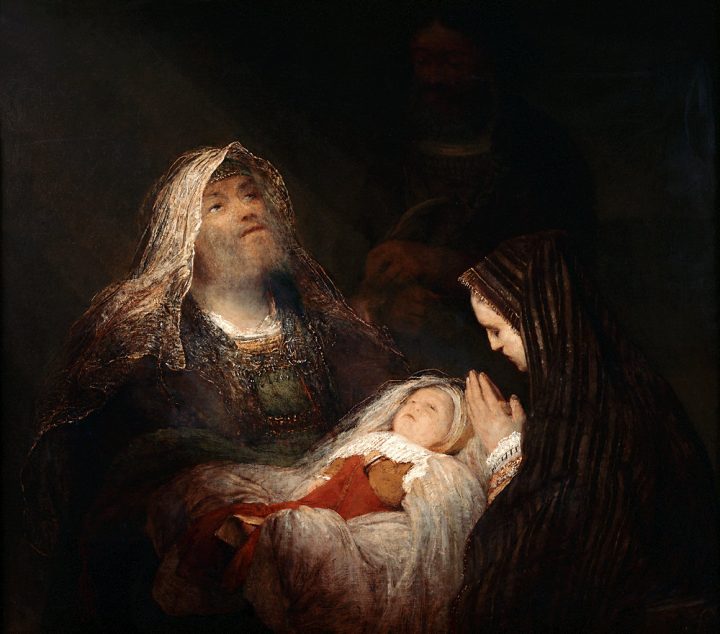
Simeon’s Song of Praise, Aert de Gelder, c. 1700-1710 (Wikipedia)

FIRST READING
Malachi 3:1–4
February 2, 2020

We examined Malachi 3:10–20 several months ago. It spoke of the “Day of the Lord”. It was a time of testing for the Jewish people who returned to Jerusalem at the invitation of the Persian king, Cyrus. A theme throughout the prophets is that, although the evil of the enemies of the Jews may be greater in extent, the evil of the Jews is greater in intent. Because they are the chosen people, they will be held to a higher standard as they must fulfill a higher mission. When looking at the “Day of the Lord,” we read today’s passage as well to see where they had failed to live up to their calling. Today we will look again and pay particular attention to how the entire book of Malachi shows the development of the Jewish understanding of the afterlife which we, as Catholic Christians, have inherited.

Malachi wrote between 500 and 450 BC during a time of great distress and disappointment for the people of Jerusalem. Enough Jews had returned to Jerusalem after the exile in Babylon to start rebuilding but the results were less than impressive. The temple had been reconstructed, but it was a small structure and the funds to continue were either not forthcoming or stolen. The passage before the one chosen for today reads: Continue reading “Feast of the Presentation of the Lord – To Praise, To Live”

3rd Sunday Ordinary Time – Fr. Smith Homily

I have often thought that if I were a Jewish contemporary of Jesus, I would not have recognized him as the Messiah. I am assuming that I would have been educated in my faith and knew the signs of the Messiah, but would not have found them in Jesus. Now through hindsight and the genius of St. Paul, we can see them as plain as day. St. Matthew today tells us that our inability should not distress us – indeed should give us comfort. Let’s look at why. Continue reading “3rd Sunday Ordinary Time – Fr. Smith Homily”

Upcoming Celebration of Candlemas (Feb. 2)

THE FEAST OF THE PRESENTATION OF THE LORD

Next Sunday, February 2, is 40 days after Christmas and we commemorate the presentation of Jesus and his ransoming as the firstborn son. We will read the beautiful passage from Luke’s Gospel and special prayers of the day. It is also called Candlemas day because the candles for the year are blessed and there is a procession with lit candles from the narthex to the sanctuary. This will be enacted at our 9 AM Mass with the children in our Religious Education program. If you have candles at home which you wished blessed, you are invited to bring them to that Mass. Instructions will be given beforehand.

3rd Sunday of Ordinary Time – Accept No Substitute

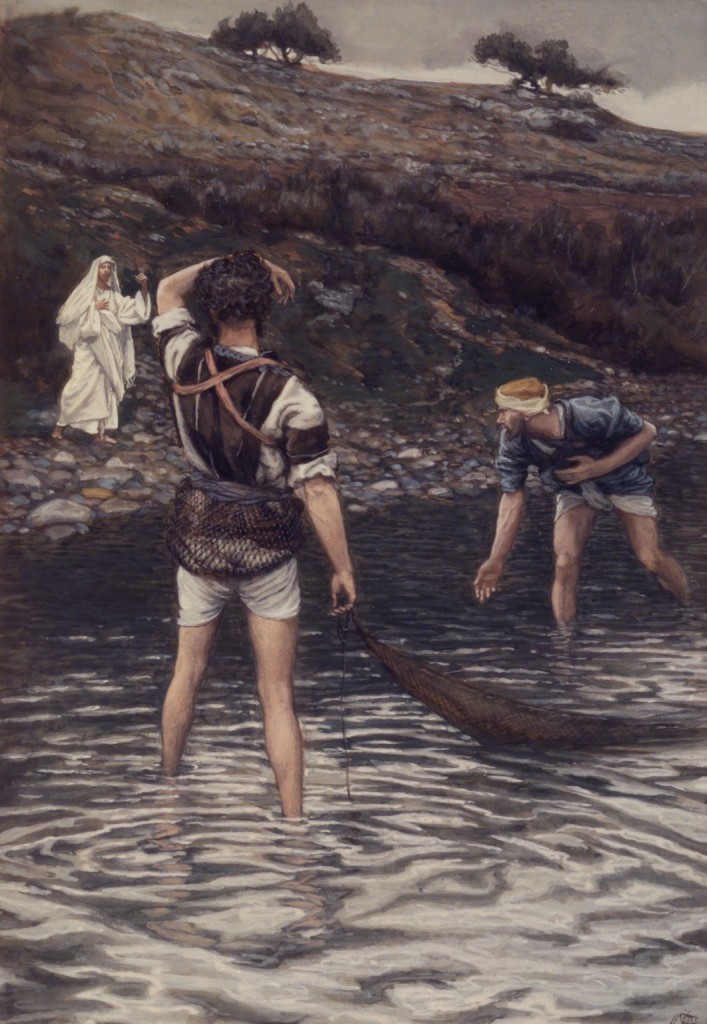
The Calling of Saint Peter and Saint Andrew, James Tissot, 1886-1894, Brooklyn Museum

FIRST READING
Isaiah 8:23-9:3
January 26, 2020

Today’s passage from Isaiah responds to a dangerous time in Jewish history and Isaiah will give us considerable information about it. Yet because of this very identification with a very specific time and place, it reveals the universal and timeless nature of the LORD’S power in history and provides a few very practical observations for us today.

First, Where Are the People?

The distress referred to at the beginning of the passage (Is. 8:23) is the enslavement of part of the Northern Kingdom “Zebulun and Naphtali” by the Assyrians around 731 BC. This process will be completed with the total destruction of Israel in 721 BC. Isaiah is writing from the Southern Kingdom (Judah) and is concerned not only about the Assyrian aggression but the effects of “cultural imperialism.” As we saw several weeks ago, King Ahaz, the reigning monarch, made a treaty with the Assyrians. Its high cost and openness to pagan worship caused serious disruption to the Jewish people. Only a change in leadership could avert disaster. Continue reading “3rd Sunday of Ordinary Time – Accept No Substitute”