Black Americans on the Way to Sainthood: Pierre Toussaint

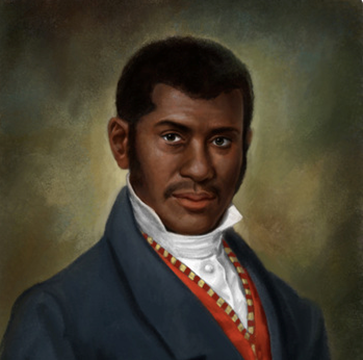
Pierre Toussaint (1766 – 1854) Successful entrepreneur, philanthropist, and former slave
by Fritz Cherubin, Jr.
Venerable Pierre Toussaint was born into slavery on June 27, 1766 on the French colony Saint-Domingue (present-day Haiti). He was educated as a child by his owners, the Bérard family; trained as a house slave; and raised as a Catholic.

On the brink of the Haitian Revolution (a beautiful story for another time), the Bérards moved to New York City along with their slaves, including Pierre and his sister, Rosalie. It was here in New York City, where Pierre first apprenticed and then became one of New York’s leading hairdressers, especially for the upper class. His reputation as a skilled hairdresser allowed him to earn a good living. In fact, he discreetly supported Madame Bérard through his earnings after her husband’s death. He was granted freedom at the age of 45 upon Madame Bérard’s death. By that point, he had saved enough money to pay for his sister’s freedom and purchase a house in Manhattan (unheard of at the time). He took the surname of Toussaint, honoring Toussaint Louverture, the leader of the Haitian Revolution.

Continue reading “Black Americans on the Way to Sainthood: Pierre Toussaint”

5th Sunday of Ordinary Time – A Joyous Yes to the Living God

Job and His Friends, Ilya Repin, 1869, Russian Museum

Fr. Smith’s Commentary on the First Reading
Fifth Sunday in Ordinary Time
Job 7:1–4, 6–7
February 7, 2021

The great miracle of the Old Testament is the end of the Babylonian exile. We have examined this and its effects many times in these commentaries. For centuries, the Jewish leaders maneuvered between the major players in the Mid-East with varying success. By 598-96 BC, they had exhausted their options, Jerusalem and its temple were destroyed, and the elite sent off to exile in Babylon. This should have been the end of Judaism both as a religion and a people. Yet Ezekiel and Jeremiah prophesied that both would be reborn. Most memorable was Ezekiel testifying that the dry bones of the people would come back to life. Indeed, this came to pass when the Assyrian leader Cyrus allowed Jews to volunteer to return and rebuild their capital. Enough did that Jerusalem and its Temple rose again. This was a miracle and prophets, poets and scholars attempted to interpret it properly. The book of Job is one attempt to understand and one that has much to offer us today.

The returning Jews collected and edited their sacred writings that now form the basis of the Old Testament. One of the themes they used to give coherence to this material was that the life of Jews—social, religious, and political to the extent that they were separate—was good when they obeyed the law of the Lord and bad when they did not. This became known as Deuteronomic history. It was remarkably useful and explained much. Yet what of the good person whose life has not gone well? Indeed, one who has seen the wicked prosper at his expense. This is the predicament of Job.

Continue reading “5th Sunday of Ordinary Time – A Joyous Yes to the Living God”

Parish Project for Black History Month: Learning about and Praying for Black Americans on the Road to Sainthood

Fr. Smith and the Parish Pastoral Council would like to let you know about an upcoming parish project for Black History Month, which is next month, to learn about and pray for Black Americans on the road to sainthood.

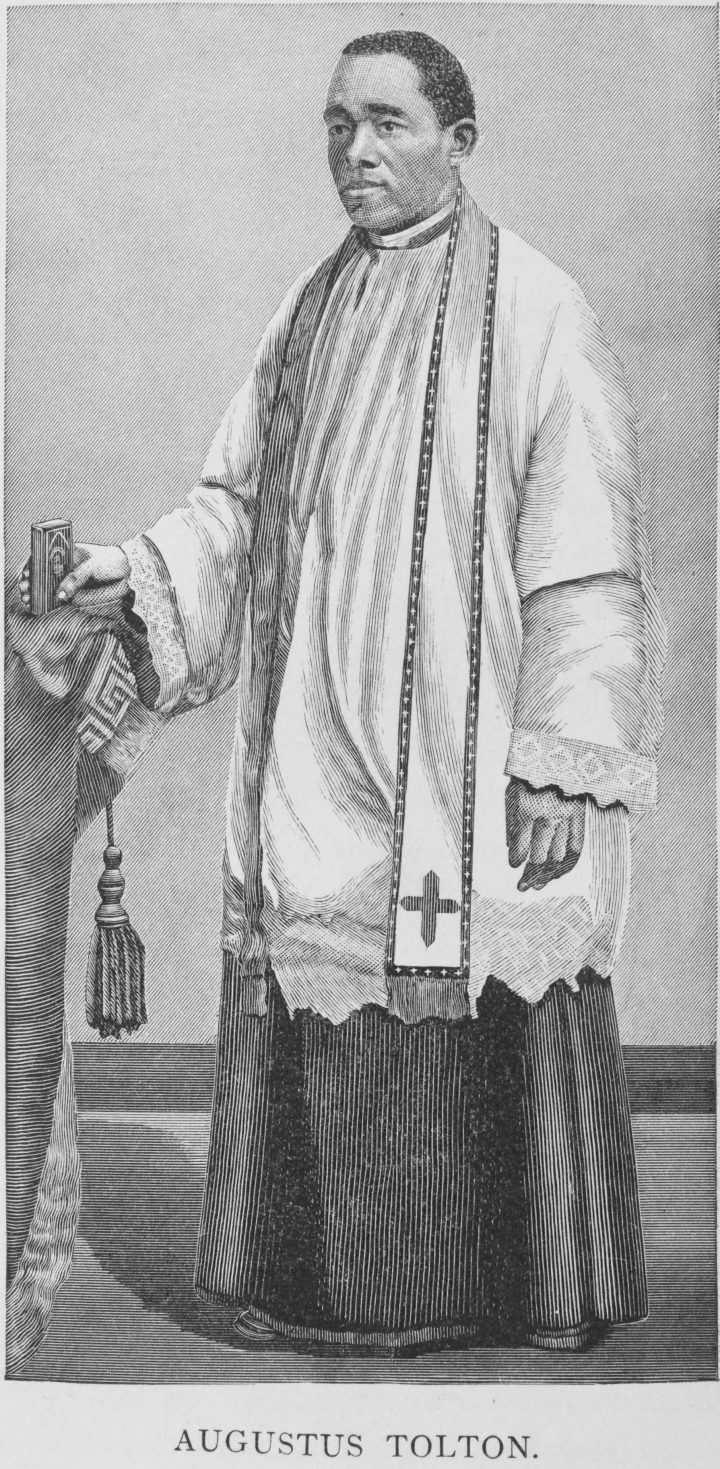
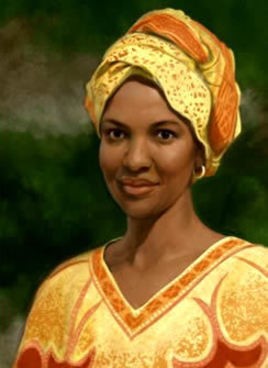
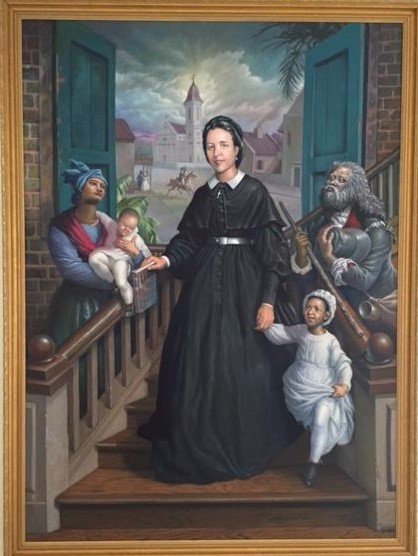
The US Catholic Bishops highlights six Black Americans, who are under consideration to be recognized as saints. For each of the four weekends in February, we will include a brief write-up in the parish email about one of these six individuals and will pray for the person at that Sunday’s Mass by using his/her prayer and including a petition for his/her sainthood candidacy in the Prayers of the Faithful.

Continue reading “Parish Project for Black History Month: Learning about and Praying for Black Americans on the Road to Sainthood”